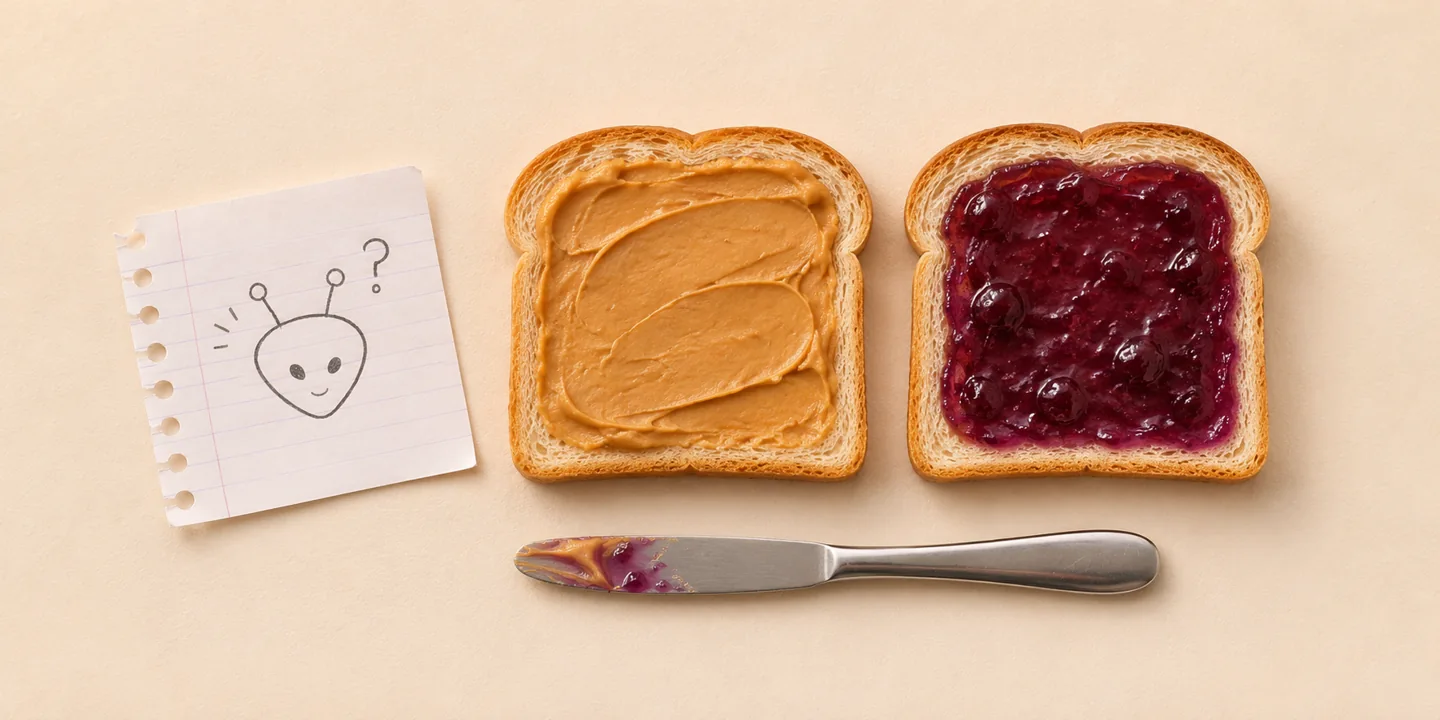
Back in middle school, we were asked to write instructions for an alien to make a peanut butter and jelly sandwich.
It sounded easy. Then we had to think about what the alien actually knew.
It had never been to Earth. It didn’t know what bread was, what peanut butter or jelly looked like, or what a knife was for. We had to explain where to find the ingredients, how to open the containers, and what to do next. A step that seemed too obvious to mention could leave the alien stuck or making a very strange sandwich.
That exercise has stayed with me. It made us slow down and explain a familiar task to someone who didn’t share our knowledge.
I find myself thinking about it again as I learn to work with AI.
AI needs clear instructions
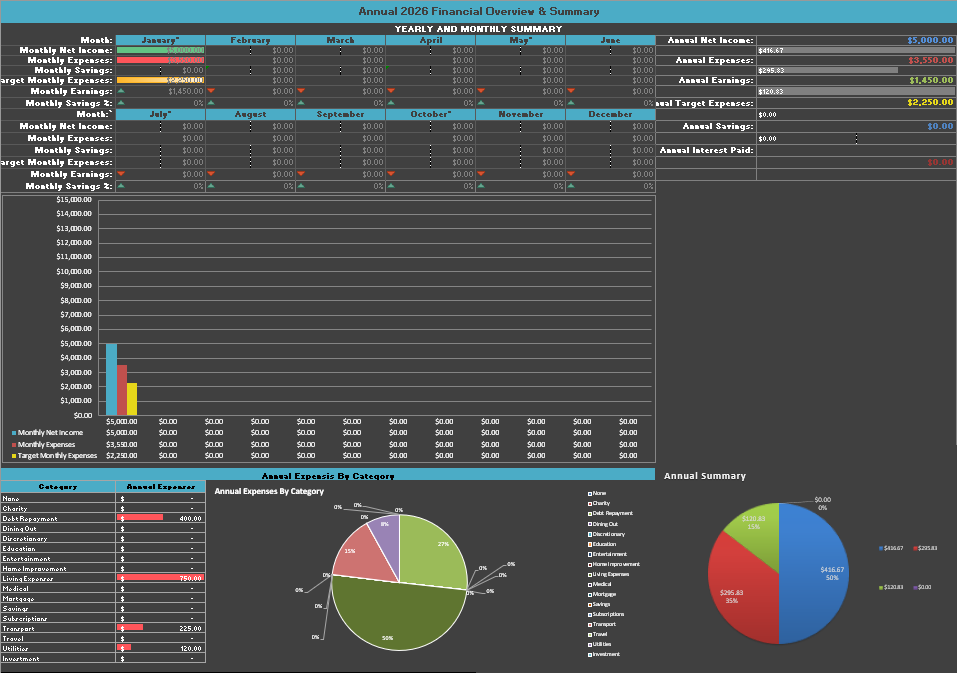
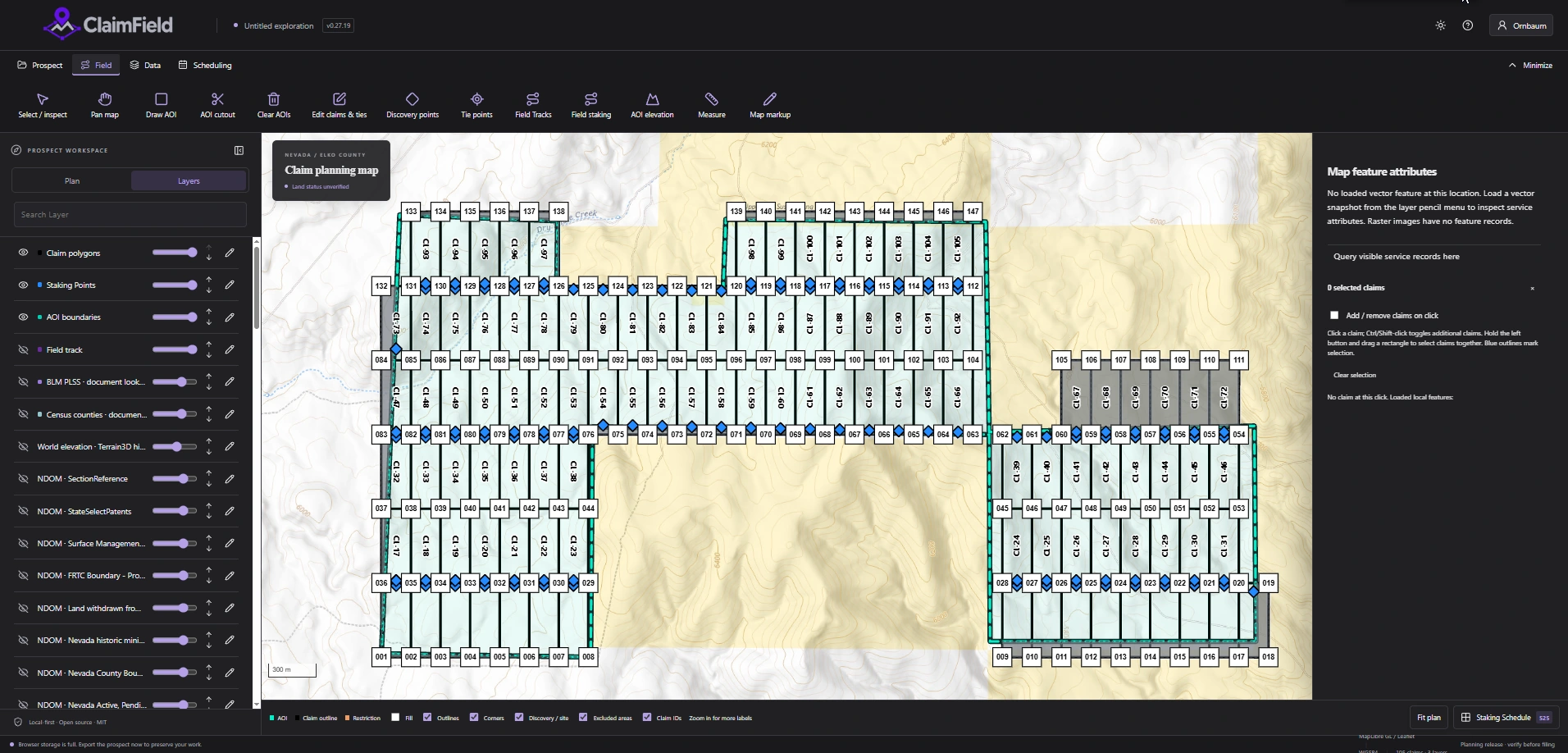
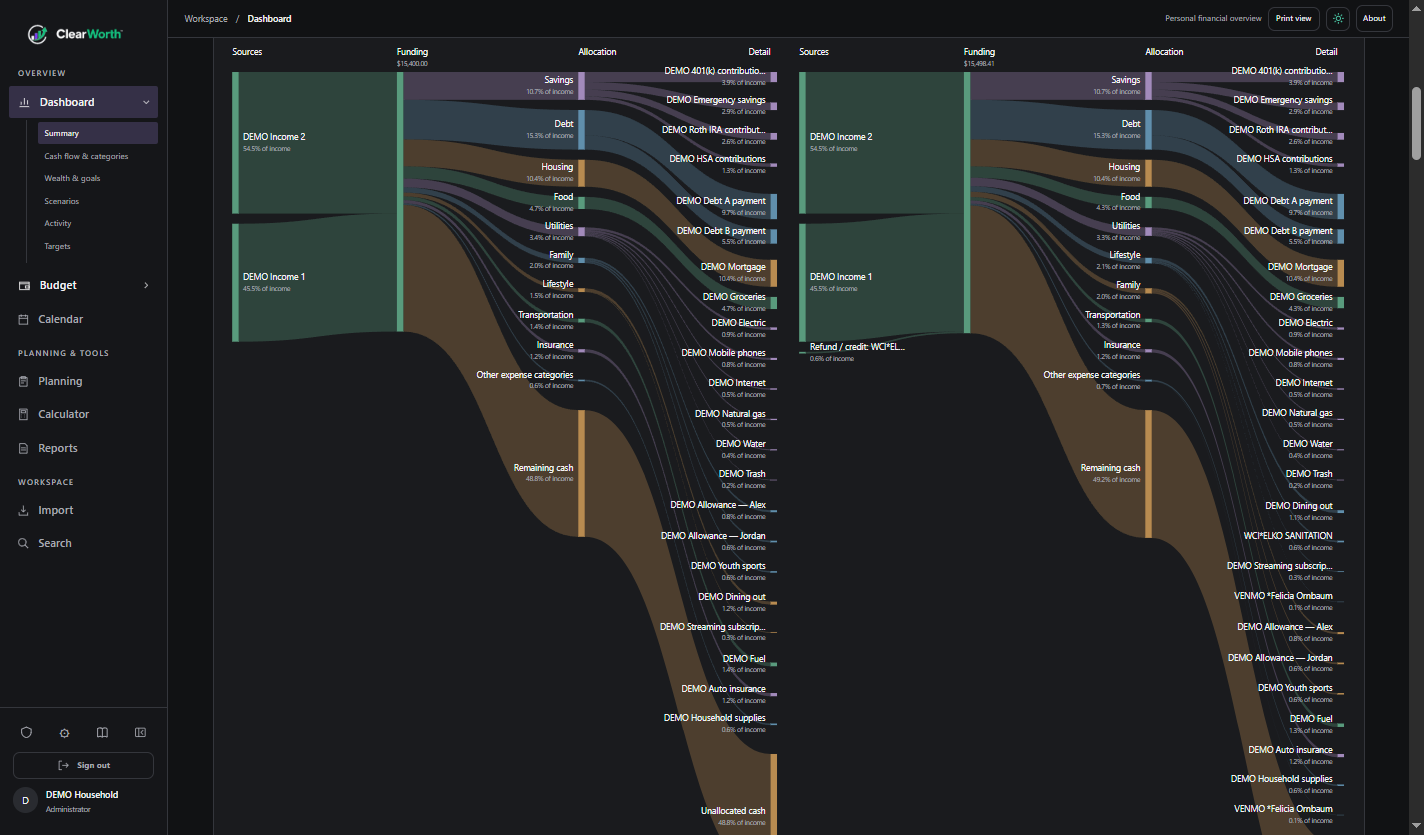
I’ve been using AI to help build tools, write scripts, develop applications, and troubleshoot errors. I’m still learning, but one thing keeps coming up: I get better results when I take the time to explain the work.
That means giving it the goal, the environment, the details that matter, and a way to judge whether the result is right. If I skip a step or make an assumption without explaining it, the response can head in a direction I didn’t intend.
For me, that’s the peanut butter and jelly test: Have I explained the task clearly enough for someone without my background to follow it?
“Make a sandwich” leaves a lot of room for interpretation. So does “build me an app” or “write a script.” It helps to explain what the tool is for, where it will run, what it should do, and what it needs to avoid.
Experience helps you spot what’s missing
The instructions matter, and so does the experience of the person giving them.
Years of doing a job teach you how the pieces fit together, where things tend to go wrong, and what to check before calling the work complete. Some of those details are easy to overlook because you’re used to handling them without thinking about them.
In GIS, a map can look polished and still be misleading if the data, coordinate systems, or projections are wrong. Knowing which buttons to click is only part of the job. You need to understand the information and what someone will use the map to decide.
That background helps when I work with AI. I can give it more useful context, notice when an answer misses something important, and ask follow-up questions. I can also test the result against the actual problem instead of assuming it’s correct because it looks finished.
AI can help me move faster or work through an idea. I still have to decide what to ask and whether the answer is useful.
Building with AI is still hands-on work
My experience has involved plenty of reviewing, testing, and trying again. I explain what I’m working toward, look at what AI produces, and try it. When something doesn’t work, I need to figure out whether the problem is in the result, my instructions, or my own understanding of the task.
That takes patience. Sometimes the first attempt is useful. Sometimes it shows me that I need to explain the problem differently or learn more before I can judge the answer.
The clearer I am about what I’m trying to accomplish and how the parts should work together, the better chance I have of turning the idea into something I can use.
Why I keep working at it
I’m building tools that help me, and I hope some of them will help other people, too. The knowledge and skills I’ve developed through my work are a big part of being able to build, support, and improve those projects with AI.
I still need to understand the task, explain the steps, and check the result. If something goes wrong, I need to learn from it and try again.
That’s where the sandwich exercise comes back to me. It was a simple way to learn how much we leave unsaid when we assume someone else already knows what we know.